Before You Buy: What Noise Really Means
Noise is one of those things you think you can tolerate… until you can’t.
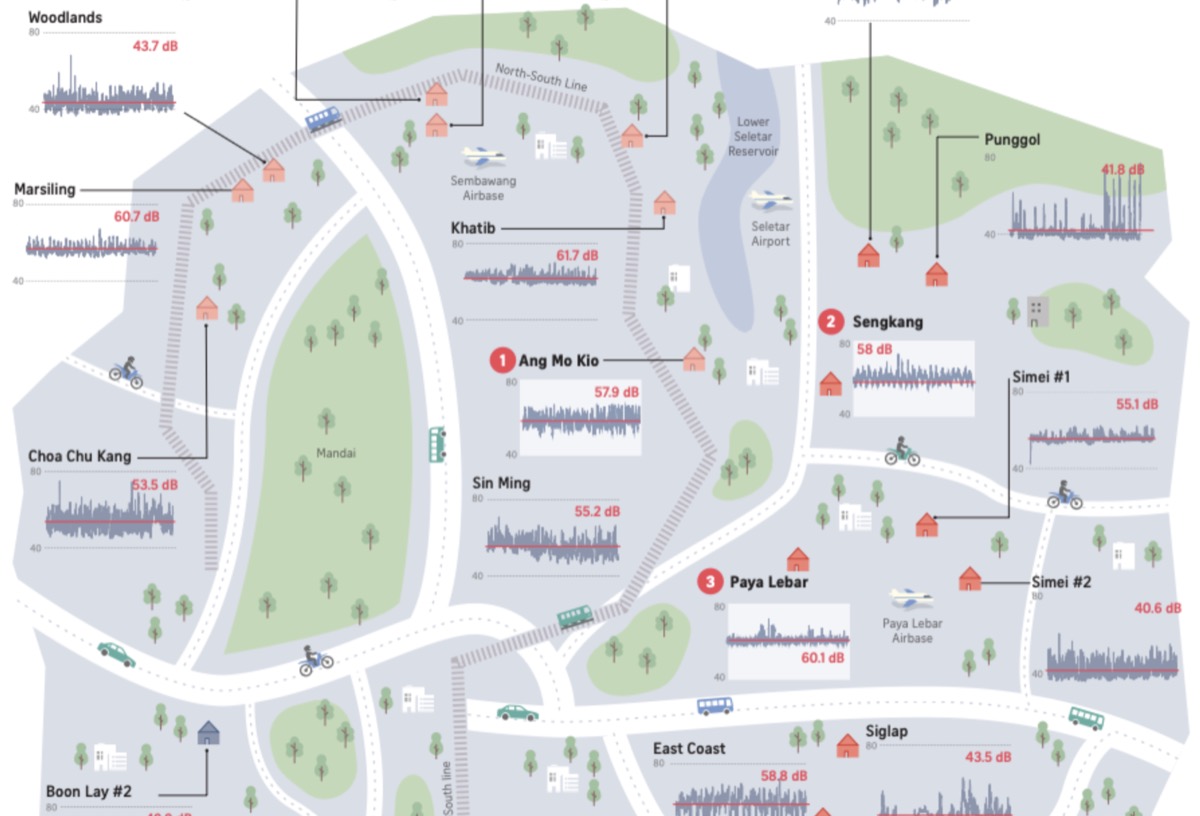
I went down a rabbit hole after reading this Straits Times interactive on what traffic noise looks like inside real Singapore homes.
If you’re house hunting, here’s the buyer-angle version.
Don’t buy a decibel number. Buy a noise profile.
People love to ask: “How many dB is acceptable?”
Useful, but incomplete. Decibels are logarithmic (small changes feel big), and our brains don’t experience sound like a meter does. Two units can measure similarly but feel totally different to live in.
The real killer isn’t “loud”. It’s “sharp” and “rough”.
This is the best insight from the piece: not all sounds are equal even at the same volume.
- Sharpness: piercing, shrill sounds (brake screech, sirens, some train noises)
- Roughness: harsh, grating sounds (revving motorcycles, certain engines)
In real life, steady background hum is often tolerable. Spiky, screechy, grating sounds are the ones that keep grabbing your attention (and your mood).
What kinds of noise cause different kinds of regret
Instead of thinking “near road = die”, think “what’s the pattern here?”
- Roads + junctions: start-stop cycles (braking, acceleration, horns). Mentally tiring.
- MRT: repetitive rumble plus occasional braking screech. Predictable, but frequent.
- Aircraft: fewer events, but big spikes that interrupt sleep or calls.
If you WFH, spikes matter more than average noise.
Standards are a reference, not a pass/fail test
WHO suggests road traffic above a daily average of 53dB can be harmful, and 45dB for aircraft noise. NEA’s guidance for average indoor noise is below 57dB.
In dense cities, the WHO bar can be hard to meet. Use these numbers to set expectations, not to play “gotcha” during viewings.
Windows matter a lot (and this is the practical reality)
Closed windows drastically reduce noise. If there’s no air gap, noise drops a lot, even before you talk about “premium” glazing.
Also, many households sleep with air-con on and windows closed. So don’t panic because a viewing is noisy with everything wide open. Test both:
- windows open mode (daytime, natural ventilation)
- windows closed mode (night, air-con life)
You’ll be surprised how different it feels.
Over time, most noise becomes white noise… except the sudden ones
Personal experience: constant background noise often fades. You adapt.
What still cuts through are sudden spikes: sirens, horns, hard braking, the occasional crazy bike late at night. So during viewings, don’t only ask “is it loud?” Ask “what sudden stuff happens here?”
8) Agencies are already mitigating, but your unit choice still matters
Noise is a system issue. The article highlights measures like:
- aircraft routing and quieter night procedures
- noise barriers and low-noise pavements on some roads
- MRT barriers, quieter wheels, and track modifications
- noise impact guidelines for new residential developments
Helpful, yes. But you still want to choose a unit that fits your tolerance.
Another bonus: As electric vehicles rise, engine and acceleration noise reduces, especially at lower speeds. It won’t remove tyre noise, buses, or braking, but it does soften the soundscape compared to loud combustion engines revving and idling.
A quick buyer checklist (use this for every viewing)
- Visit during weekday peak hours (evening is gold), not just Sunday afternoon
- Stand quietly by the window for 2–3 minutes
- Listen for spikes and screeches, not just overall loudness
- Look for line-of-sight to junctions, bus stops, viaducts, MRT tracks
- Think routine: bedroom and WFH desk, which side faces the noise?
- Try windows open and closed
Bottom line
Noise is part of Singapore living. The mistake isn’t buying a unit with noise. The mistake is buying a noise profile you didn’t anticipate, then living with it for years.
And tolerance level varies widely, so you have to decide if you can live with it or not.