The Tenant Paid on Time. The Geylang Condo Still Got a Police Warning
A friend of mine bought a unit in a boutique condo in Geylang as a rental investment.
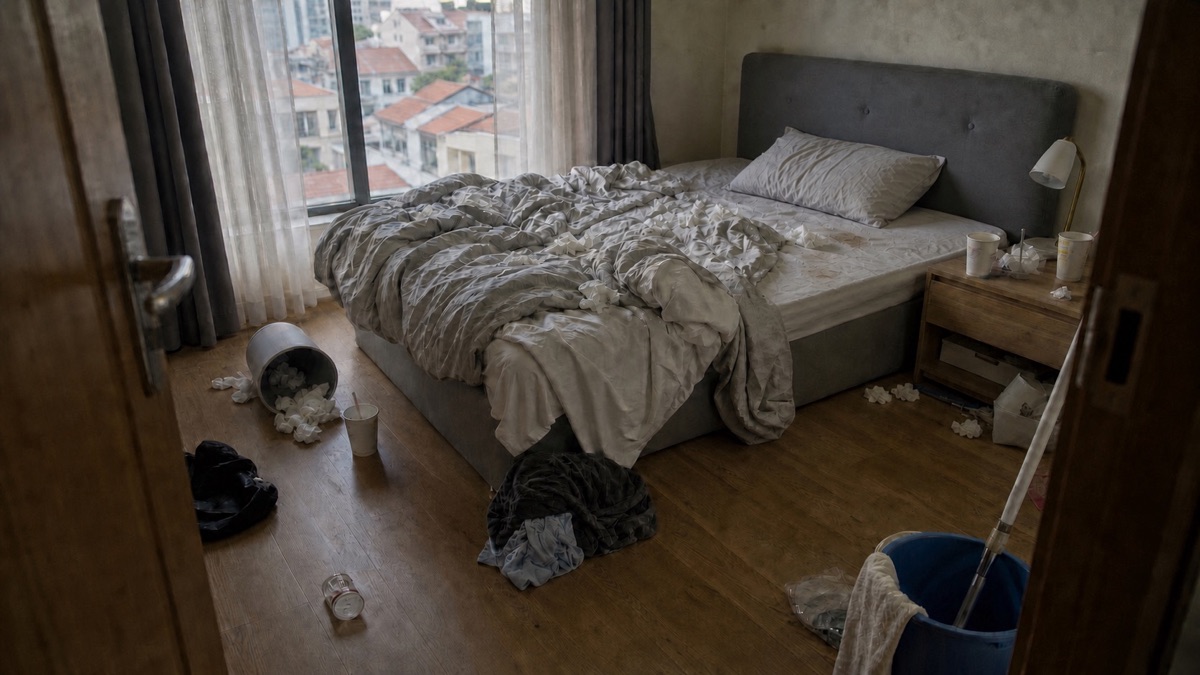
From what he told me, nothing about the tenant made the eventual problem obvious. By the time he discovered that the unit had apparently been used for vice activities, the place had been left in a terrible state. It was messy, it smelled awful, and he had to clean up the whole unit before it could be rented again.
Not exactly the passive-income dream.
That story came back to me when I read this AsiaOne report about another Geylang condo. The owner received a police letter saying that suspected vice activities had taken place in the unit, even though the tenant had paid on time for about 6 to 7 months and there had been no earlier complaints.
When the property agent recovered the unit, it was reportedly full of abandoned clothes and rubbish, with a bad smell that required a thorough clean-up.
The obvious lesson is to screen tenants carefully. The harder lesson is that screening alone may not tell you what someone intends to do after getting the keys.
On-time rent can hide the real rental risk
Most landlords worry first about late rent, unpaid utilities and damage. If the rent arrives every month, it is easy to assume everything is fine behind the front door.
But punctual rent only tells you that somebody is paying.
It does not prove that the named tenant is the only person living there, that the unit has not been passed to somebody else, or that it is being used only as a home. In some illegal setups, the person signing the tenancy may be an organiser or middleman while other occupants rotate through the property.
That is why my friend probably could not have spotted the problem from a normal viewing and interview. Someone planning to misuse a unit is unlikely to announce it while negotiating the rent.
This is also why I would not turn the lesson into “avoid every tenant in Geylang” or reject people based on nationality, age or occupation. Those are crude assumptions, not due diligence.
Identity checks are necessary, but they cannot reveal intent
Singapore’s residential leasing due-diligence guidelines require property agents handling residential rentals to check every tenant and occupier.
For Singapore citizens and permanent residents, that means checking the original NRIC, matching the photograph to the person face-to-face, and verifying the NRIC with ICA. Foreign tenants and occupiers require corresponding passport and pass checks.
These checks matter. They establish who signed the tenancy and help prevent the use of a false or borrowed identity.
But they cannot tell you what is in a person’s head. In the AsiaOne case, the agent said more stringent screening was already used because of the location, yet there were reportedly no obvious warning signs.
Identity verification is the floor, not the finish line.
Due diligence also protects the landlord
The Ministry of Home Affairs says all property owners are expected to exercise due diligence when leasing their premises, including taking steps to ensure they are not used for vice activities.
Under section 148(4) of the Women’s Charter, MHA says an owner may be criminally liable if a property is used for vice, unless the owner can show that they had no knowledge and could not reasonably have discovered the intended use when entering the tenancy agreement.
That makes the paperwork more than administrative clutter. If the police ever contact you, you want a clear record of the identities checked, the permitted occupiers, the questions asked and the tenancy terms agreed.
The CEA landlord checklist also recommends periodically checking the property during the tenancy to guard against misuse, illegal alterations and damage.
What I would put in place before handing over the keys
No checklist can guarantee a good tenant. Still, these steps make it harder to hide who is really taking possession of the unit:
- Meet and verify every tenant and occupier. Check original identity documents face-to-face and validate them through the relevant official system. Do not verify only the person paying the deposit if several people will live there.
- Record exactly who may occupy the unit. Put every approved occupier in the tenancy agreement. If a company is renting it, verify its UEN and understand why it needs the residential unit.
- Ask simple, consistent questions. Who will live there? Where do they work? Why are they moving? Inconsistencies matter more than whether somebody fits a landlord’s idea of a “good profile”.
- Use clear tenancy clauses. CEA’s private residential tenancy template includes restrictions on unauthorised subletting and illegal activities. Any right to conduct periodic inspections should also be properly written into the agreement, with reasonable notice and professional advice where needed.
- Document the handover. Keep dated photographs, an inventory, access-card records and a signed condition report. This will not stop misuse, but it makes later damage much easier to prove.
Private homes also cannot be used for stays shorter than 3 consecutive months. URA specifically urges owners to check their properties regularly so tenants do not quietly turn them into illegal short-term accommodation.
The first few months matter more than the rent receipt
A landlord should not harass a tenant or enter the unit whenever they feel like it. Quiet enjoyment still matters, and inspections need to follow the tenancy agreement and proper notice requirements.
But being respectful does not mean disappearing for 2 years.
An agreed inspection early in the tenancy, followed by reasonable periodic checks, can reveal whether the actual occupiers match the agreement. Objective signals such as repeated neighbour complaints, constant changes in occupants, unauthorised access cards, changed locks or evidence of commercial use deserve a proper follow-up.
Keep the managing agent, MCST or security team able to reach you. In many condos, they will notice unusual visitor traffic before an owner who lives elsewhere does.
The goal is not to spy on the tenant. It is to discover a serious breach while it is still one problem, rather than after it has become a police case, an eviction and a renovation bill.
If you suspect vice activity, do not play detective
Record what was reported and contact your property agent. If there is a credible concern about criminal activity, seek guidance from the police and get legal advice on inspection, termination and repossession instead of forcing entry or confronting the occupants alone.
If the issue appears to involve illegal short-term stays, URA provides a reporting channel on its short-term accommodation page. In either situation, preserve messages, management records, photographs and cleaning invoices.
Acting early may limit the damage and show that the landlord did not simply ignore the warning signs. It also reduces the chance of opening the door months later to the same smell and mess my friend found.
Property and tenancy rules can change, and the correct response depends on the facts and the wording of the agreement. Check the latest CEA, URA and MHA guidance, and seek legal advice before taking possession or terminating a tenancy.
You may not know at the viewing. But you do not have to wait for a police letter to look again.