Paid for It, Still Lost It: The 99:1 Ruling and an HDB Flat Ploy Gone Wrong
The Court of Appeal held a condo buyer to his 1% ownership even though he’d paid most of the upfront cash. In a separate HDB case, a husband routed $205,000 through his wife’s CPF to take over her interest in their flat, but lost his own instead.
Paying more doesn’t automatically buy you a bigger share. Both cases show the cost of moving money without settling ownership.
The 99:1 case: 1% on paper, 1% in court
In May 2026, the Court of Appeal reversed the 2025 High Court ruling we covered earlier. The case tested the 99:1 arrangement couples use to plan for a second purchase:
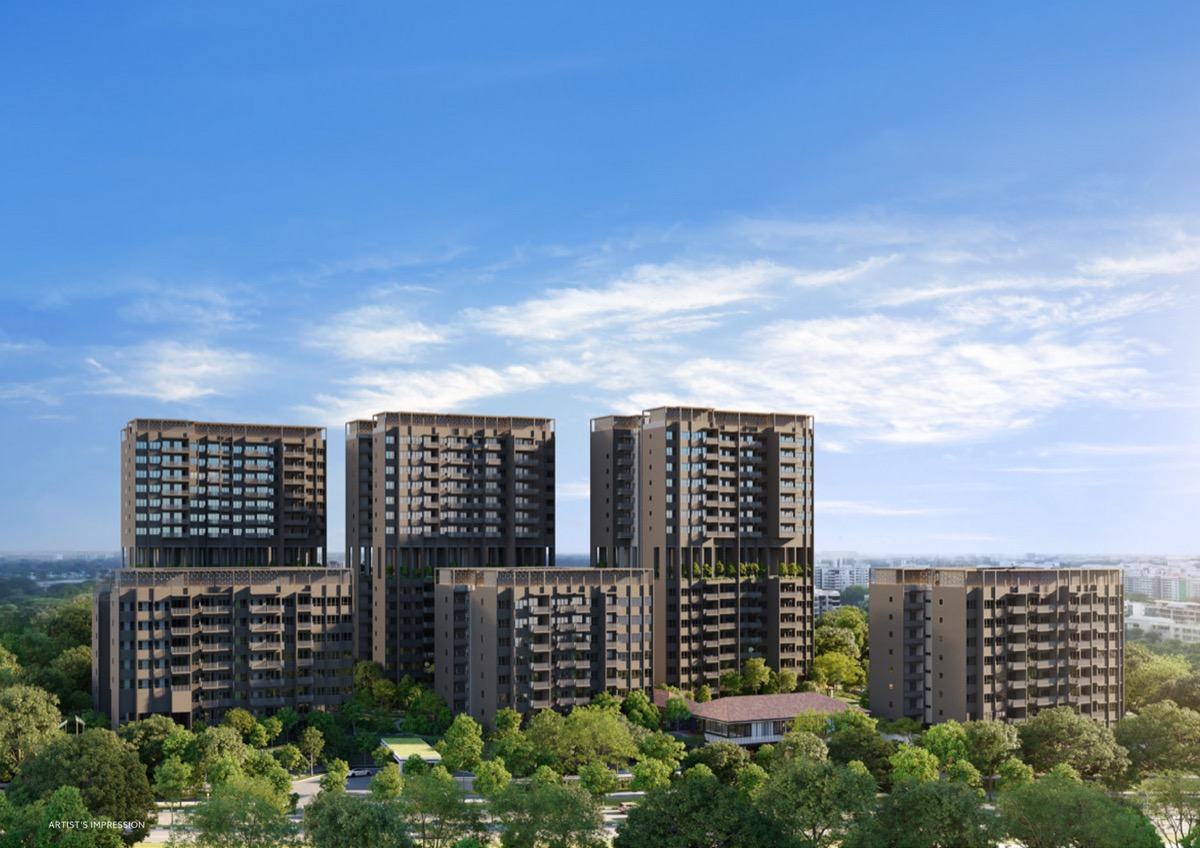
- An unmarried couple bought a $1.865 million unit at Hillcrest Arcadia in December 2019.
- He paid about $360,000 upfront. She paid about $160,000. A mortgage, serviced mainly by CPF and rental income, covered the rest.
- The title was registered 99% in her name and 1% in his, as tenants-in-common.
- The plan: if they bought a second home, he’d transfer his 1% to her and buy the next one in his sole name without ABSD. That’s decoupling, set up in advance.
They broke up before buying a second home. He asked the court to recognise the share he’d paid for.
The High Court agreed with him. It found a resulting trust: the woman held about 54% of the condo on trust for him, which lined up with his financial contributions.
The Court of Appeal reversed that. In Wong Mei Lee Millie v Ngor Shing Rong Jake [2026] SGCA 27, it held that the couple “intended for the 99:1 ratio to reflect their legal and beneficial ownership of the Property”. She keeps 99%. He keeps 1%, despite putting in roughly 70% of the upfront cash.
His own evidence helped sink him. He had insisted the 99:1 split was genuine, not a sham, and that he was “not trying to trick the Inland Revenue Authority of Singapore into believing that he was only a 1% owner”. The court took him at his word. If the split was real, then 1% is what he owns.
The warning about hidden shares
Having found no resulting trust, the court didn’t need to decide illegality. It nevertheless made tentative observations: retaining a hidden beneficial share and planning to conceal it when buying a second home would be tax evasion. In the court’s view, that purpose could defeat his trust claim even though the second purchase never happened.
For a buyer in his position:
- If the split is real, you own 1%, no matter how much you paid.
- If it hides a bigger share to dodge ABSD, that hidden share may be unenforceable.
A 99:1 split can reflect genuine ownership, but that doesn’t settle its tax treatment. The court left open whether a genuine three-stage plan (buy 99:1, transfer the 1%, buy another home) could still fall under the Stamp Duties Act’s anti-avoidance rule in section 33A.
The HDB case: $205,000 to lose a flat
The older case, Zaiton bte Adom v Nafsiah bte Wagiman [2022] SGHC 189, recently resurfaced in the news.
A husband and wife bought their flat in 2002 as joint tenants. By 2013, he was in a relationship with another woman, who later became his second wife. In 2015, he set out to get the flat into his sole name.
His plan:
- Get about $205,000 from his girlfriend.
- Hand it to his wife and tell her to deposit it into her CPF accounts, topping up what she’d used on the flat over the years.
- Have her use her CPF to clear the outstanding HDB loan.
- Get her to transfer her interest in the flat to him.
Steps 1 to 3 happened. The wife withdrew about $126,000 from her CPF to pay off the HDB loan in full. Around $80,000 of the deposit stayed in her CPF.
The transfer never happened.
She filed for divorce in 2017 after learning where the money came from. He filed no evidence and didn’t attend the Syariah Court hearing on matrimonial assets. That court ordered the flat sold and gave the wife 100% of the net proceeds.
His new wife sued both of them for about $205,000. The High Court dismissed her claims against the ex-wife, who hadn’t asked for the money or known of his ownership plan when it arrived.
The ex-wife had assumed the girlfriend’s payment to the husband was a gift, not a loan. Justice Vinodh Coomaraswamy ordered the husband to repay the full sum himself, and said the dispute came from “a plan conceived and executed” by him. Both appeals were dismissed in 2023.
He lost his interest in the flat and was ordered to repay $205,000. His ex-wife kept about $80,000 of the deposit in her CPF.
Where it went wrong
I’d be careful about calling this financial illiteracy. Topping up a co-owner’s CPF before an ownership change isn’t a crazy idea; the judge noted he apparently believed it was required.
He paid before securing his wife’s agreement to transfer the flat.
- Clearing the loan reduced debt without changing ownership. Under joint tenancy, there are no shares to adjust anyway.
- The transfer was subject to HDB’s approval, eligibility checks and CPF refund rules. He needed to arrange it before moving the money, or at least secure the agreement.
- His wife didn’t know or agree to his ownership plan when the money arrived. The payment itself wasn’t an agreement to transfer the flat.
- He skipped the divorce hearing where he could have argued about the flat and the money.
Before you use CPF for an ownership change, check the steps with CPF Board and HDB. Get a lawyer to document the agreement. Both cost far less than $205,000.
Before you move the money
Pick your split as if you’ll break up tomorrow. If you’re putting in most of the cash but taking 1%, think hard about what you’re giving up, especially if you’re unmarried.
Don’t assume extra contributions give you a larger ownership share. If the money is a loan, document it separately.
Never hide a beneficial share to avoid ABSD. “Title says 1% but we both know it’s 50%” describes the risk the court discussed, rather than the ownership it found in this case. If the intended split is 50:50, register it as 50:50 and get advice before decoupling.
Put family loans in writing: who’s lending, who owes it and when it’s due. Last week’s case, where 7 siblings lost a claim to a house their mother paid for, showed the same risk.
Arrange the ownership change before moving money, whether it’s an HDB transfer, decoupling or gift of a share.
Quick answers
Is 99:1 still legal in Singapore?
Owning 99:1 isn’t automatically unlawful. But the court didn’t decide whether a genuine 99:1 decoupling plan could still fall under stamp-duty anti-avoidance rules.
Can a 1% owner claim a larger ownership share?
Paying more doesn’t itself establish a larger share. Here, the evidence showed that the couple intended legal and beneficial ownership to match the title. The ruling doesn’t decide every possible loan or repayment claim.
Does paying off the HDB loan give me a bigger share of the flat?
No. Repayment reduces debt. Changing ownership requires a formal transfer approved by HDB.
What happens to the HDB flat in a divorce if I don’t show up?
The court can decide without your evidence. Here, the Syariah Court awarded the wife 100% of the net sale proceeds, and the civil courts declined to reopen that division.